



Glaucoma is a group of eye diseases that cause progressive and irreversible damage to the nerve behind the eye (optic nerve). This occurs due to the accumulation of fluid in the eye, causing high eye pressure, which can ultimately lead to blindness. There are different kinds of glaucoma. Some glaucomas occur because the drainage channels of the eye do not function well (open-angle glaucoma), whereas some occur because the passage that leads to the drainage channels gets narrow (angle-closure glaucoma).
Angle-closure glaucoma has different types. In acute angle-closure glaucoma, the passage closes suddenly, causing a sudden rise in the eye pressure and symptoms like severe pain in the eye associated with nausea, headache, blurring of vision, and seeing coloured haloes like rainbows around lights. In chronic angle-closure glaucoma, the passage closes very slowly over months or years, causing no symptoms.
One may not notice vision changes till about 50% vision loss occurs. Very few people may have occasional blurring of vision and may see rainbows around lights. Asians have smaller eyes, so the passages for the circulation of fluid in the eye are narrower. The chances of developing angle closure are higher among such eyes.
What Indians have more often is an angle closure glaucoma, and most often the painless, slow progressive type. The presentation of the patient is deceptive and similar to the open-angle variety seen in other countries. In order to accurately diagnose this type of glaucoma, a test is carried out. It is a simple test where a lens is placed on the eye to check the width of the passages.
Unfortunately, gonioscopy is not commonly carried out, and if glaucoma is not correctly detected, it will not be correctly treated. Detecting this variety of glaucoma is also a problem for patients of Indian origin living in Western countries, where this disease is infrequently seen.
Angle-closure glaucoma is treated differently from open-angle glaucoma. The main aim of treatment would be to prevent further narrowing of the passages and control the eye pressure. Laser iridotomy is done to treat the narrow passages. It is especially important to undergo a laser in the other eye to prevent narrowing.
Eye drops can be used following laser treatment to control the eye pressure. There are other laser procedures, like ALT and SLT, carried out in other countries, which work poorly in our eyes and are not recommended. Surgery can be performed in eyes where the passages are completely closed. Glaucoma runs in families, so people with a family history of this disease should consult glaucoma specialists and get their eyes examined at regular intervals.

.svg)


Diabetes and eye health are deeply connected, and unmanaged diabetes can lead to vision problems or even permanent vision loss. Early action, expert advice, and the right healthcare support make all the difference. Here’s a simple, clear guide to understanding why diabetic...
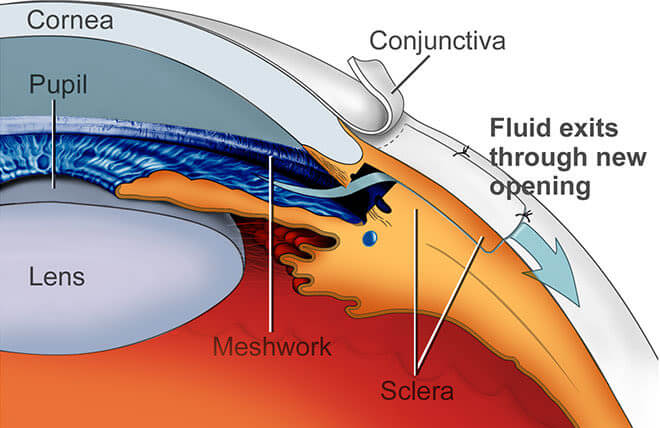
Glaucoma is a type of condition that damages the optic nerve, and it usually happens when the intraocular pressure of the eye increases. This is a progressive condition that leads to permanent loss of vision if not treated properly and timely. Glaucoma...

“Mr Prem Kumar [name changed], a 70 years old gentleman from Mumbai, came to us in November, 2019. He was suffering from diabetes since the last 20 years. Unfortunately, about 10 years ago, he developed a complication in the eye due to...