

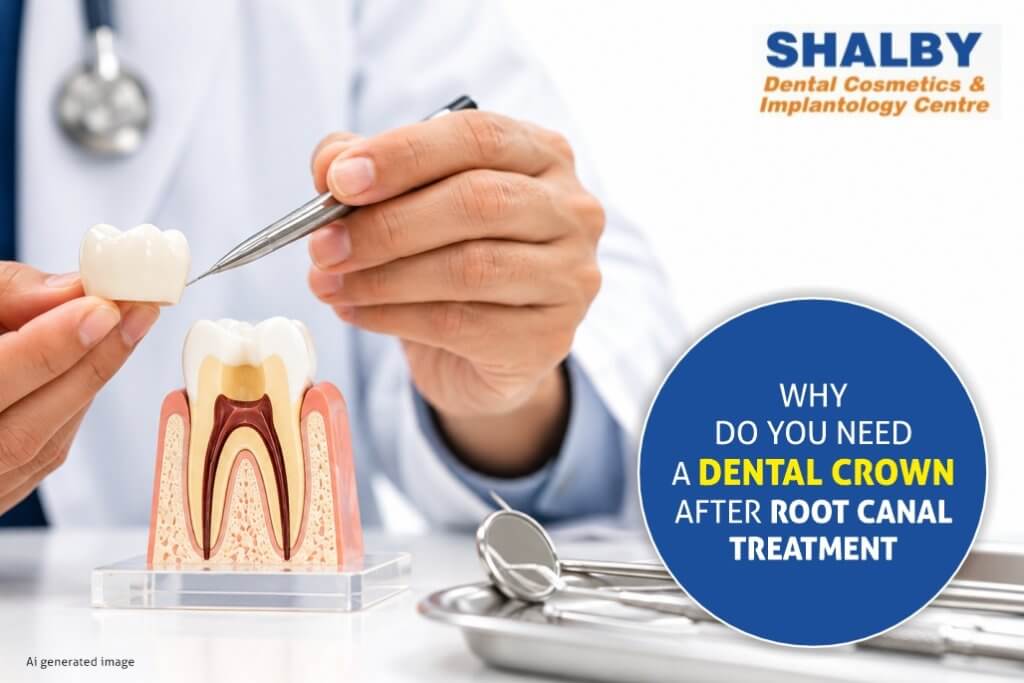
A root canal can save a tooth that’s badly damaged or infected. But even after the treatment is complete, the tooth may need extra protection. That’s where a dental crown comes in.
Many patients wonder why they need a crown if the pain is gone and the infection has been treated. The reason is simple: treating the inside of a tooth doesn’t always restore its strength. Depending on how much of the natural tooth remains, a crown may help protect it from further damage.
During root canal treatment, the dentist removes the infected pulp, cleans the root canals and seals them to prevent further infection. The tooth remains in place, but its strength depends on how much healthy structure is left.
For example, a molar with a large cavity may have already lost substantial portions of its chewing surface. Once treated, it still needs to withstand the pressure of chewing every day. Without adequate protection, the remaining tooth structure may crack or break. That’s where a dental crown can help.
A dental crown is a custom-made cap that fits over the visible part of a tooth. It restores its shape and helps protect the remaining structure during everyday activities such as biting and chewing. Here’s why your dentist may recommend one after a root canal:
However, not every tooth needs a crown after a root canal. The decision depends on the tooth’s location, the amount of healthy structure remaining and the forces it experiences while chewing. Your dentist can assess these factors before recommending the next step.
The right crown depends on the tooth’s position, your bite and your dentist’s assessment.
Your dentist can explain which material makes sense for your particular tooth.
Don’t assume that a tooth is fully protected simply because the pain has gone away. Your dentist will assess the treated tooth and advise when its final restoration should be completed. A temporary filling may protect the tooth for a short period, but it isn’t always suitable as a long-term solution.
Until the permanent restoration is placed, avoid putting unnecessary pressure on the treated tooth, particularly when chewing hard foods. Follow your dentist’s instructions about temporary protection and follow-up appointments.
The cost of a dental crown at Shalby Hospital is approximately ₹3,500 to ₹15,000 per tooth, depending on the material and fabrication technique. Your dentist can help you choose the right option based on your tooth’s condition, functional needs and budget.
Choosing the right restoration is an important part of protecting a tooth after root canal treatment. At Shalby Hospital, the dental team evaluates the tooth’s condition, remaining structure and functional needs before recommending a suitable treatment.
Meet Dr. Darshini Shah
Dr. Darshini Vikram Shah, BDS, FICOI and ICOI Diplomate (USA), brings more than three decades of experience in advanced dentistry. Her department provides comprehensive dental care with a focus on personalised diagnosis, treatment planning and modern dental techniques. If you’ve recently undergone root canal treatment, consult a dentist to find out whether your tooth needs a crown and which restoration would best suit your needs.

.svg)


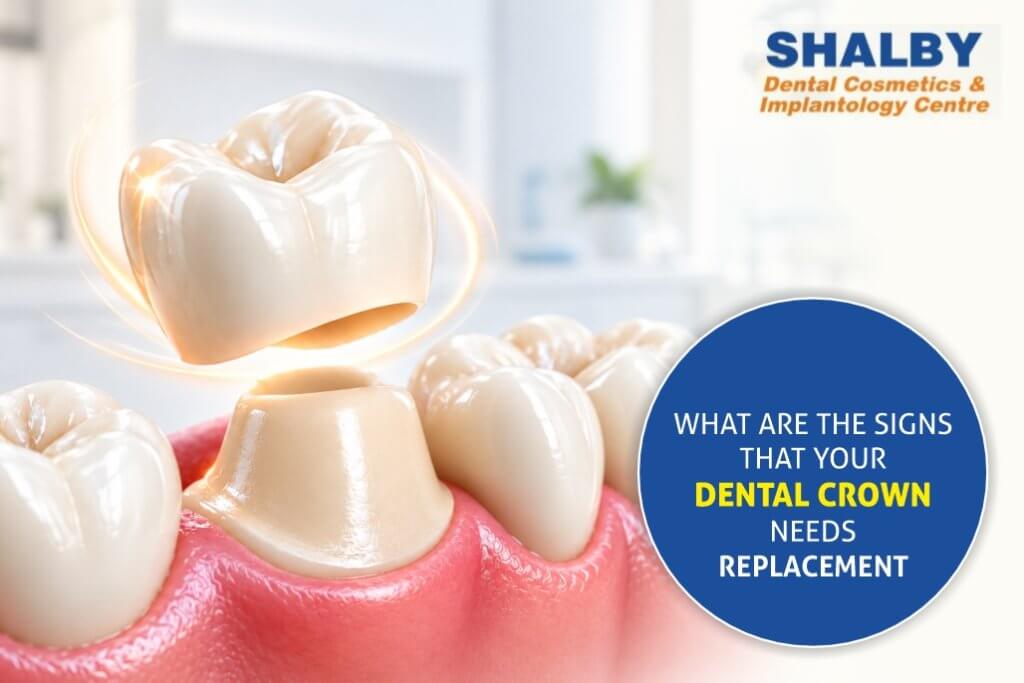
A dental crown can protect a damaged tooth for years, but it does not last forever. Over time, everyday chewing, teeth grinding, and changes in oral health can affect its fit and condition. Recognising the signs your dental crown needs replacement can...

A visit to the dentist does not always have to mean drills, vibrations and prolonged recovery. Advances in dental technology have introduced laser dentistry, which uses concentrated light energy for selected dental procedures involving the teeth and soft tissues. For patients looking...

Children’s dental health plays an important role in their overall health, nutrition, speech and development. Although milk teeth are temporary, they help children chew food, speak properly and maintain space for permanent teeth. Cavities, toothache and untreated dental infections can affect a...