



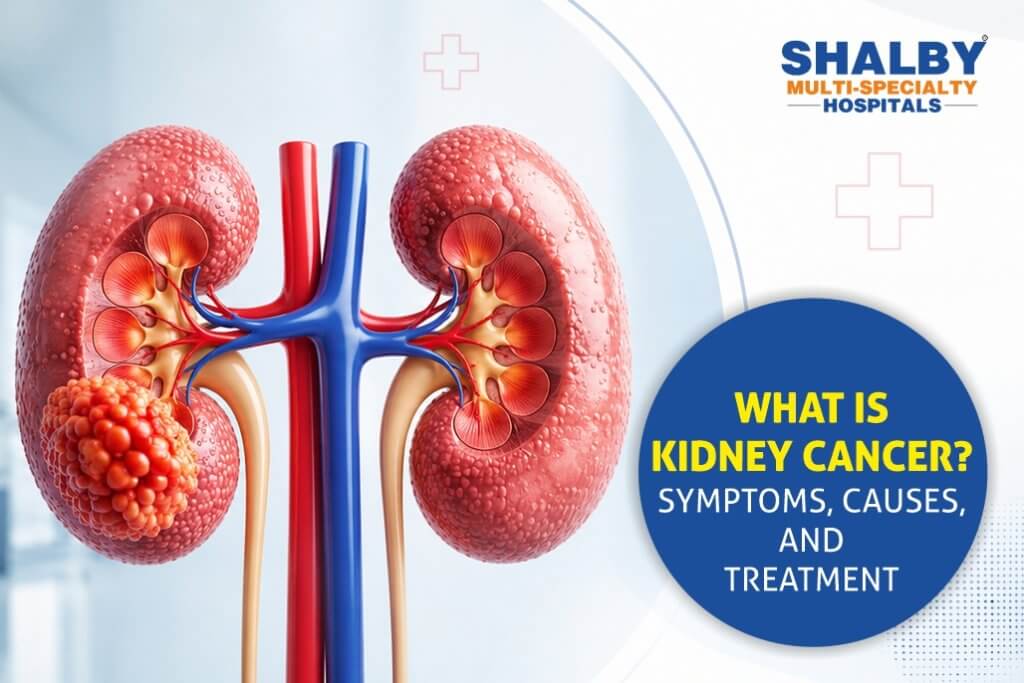
Kidney cancer is a condition that begins when abnormal cells in the kidneys start growing uncontrollably. Although it is not among the most common cancers worldwide, the number of cases has been steadily increasing due to lifestyle changes, aging populations, and improved diagnostic techniques. The good news is that when detected early, kidney cancer can often be treated successfully. Understanding the symptoms, risk factors, and treatment options can help individuals seek medical attention at the right time and improve outcomes.
Kidney cancer occurs when abnormal cells in the kidney begin to grow uncontrollably and form a tumor. The most common type is Renal Cell Carcinoma (RCC), which accounts for the majority of kidney cancer cases worldwide. The kidneys are responsible for filtering waste, balancing fluids, and producing hormones that regulate blood pressure and red blood cell production. When cancer develops in the kidneys, these functions can be affected, especially if the disease progresses without treatment. According to leading cancer organizations, kidney cancer is more common in adults over the age of 50 and is seen more frequently in men than women.
In the early stages, kidney cancer may not cause any symptoms. However, as the tumor grows, certain warning signs may appear. Some common symptoms include:
It is important to note that these symptoms can also occur due to other medical conditions. Nevertheless, if any of these signs persist, seeking medical evaluation is highly recommended.
If kidney cancer is suspected, your doctor may recommend several tests to confirm the diagnosis and determine the stage of the disease. Common diagnostic tools include:
Accurate diagnosis is crucial because treatment decisions depend on the size, location, and spread of the tumor.
The choice of treatment depends on several factors, including the stage of cancer, the patient’s overall health, and whether the disease has spread beyond the kidney.
Advances in minimally invasive and robotic-assisted surgery have improved patient outcomes and reduced recovery times.
Targeted therapies work by blocking specific pathways that help cancer cells grow and survive. These treatments are commonly used for advanced or metastatic kidney cancer.
Immunotherapy helps the body’s immune system recognize and attack cancer cells more effectively. It has become an important treatment option for many patients with advanced kidney cancer.
Although not typically the first-line treatment, radiation therapy may be recommended in certain situations to relieve symptoms or control cancer spread.
Yes. When diagnosed at an early stage, kidney cancer can often be treated successfully with surgery and appropriate follow-up care.
Most cases are not inherited. However, a family history can increase the risk in certain individuals.
Yes. Many people live healthy and active lives with a single functioning kidney after surgery.
Recovery depends on the type of surgery performed and the patient’s overall health. Minimally invasive procedures generally allow faster recovery compared to traditional open surgery.
No. Many patients have no symptoms in the early stages, which is why regular health check-ups can be valuable.
Persistent blood in the urine, unexplained back pain, or sudden weight loss should never be ignored. Early evaluation by a kidney cancer specialist can lead to earlier diagnosis and more effective treatment. For patients seeking kidney cancer treatment in Ahmedabad, choosing an experienced medical team and advanced healthcare facility is essential. Access to specialized oncology services, modern diagnostic technology, and multidisciplinary cancer care can significantly improve treatment outcomes.
As a leading cancer hospital in Ahmedabad, Shalby Hospitals offers comprehensive cancer care through experienced specialists, advanced surgical techniques, and patient-centered treatment programs. With dedicated oncology services and expertise in complex kidney conditions, Shalby is recognized by many patients as one of the best hospitals for kidney treatment and cancer care in the region.
Conclusion
Kidney cancer is a serious but treatable condition, especially when diagnosed at an early stage. Recognizing the warning signs, understanding the risk factors, and seeking timely medical attention can significantly improve treatment outcomes. If you experience symptoms such as blood in the urine, persistent flank pain, unexplained weight loss, or ongoing fatigue, do not ignore them. Seeking guidance from a qualified kidney cancer specialist can help ensure the best possible outcome and a clear path forward toward recovery.

.svg)



Urinary problems in men can sometimes begin with symptoms that seem minor, a weaker urine stream, needing to urinate more frequently, getting up several times at night, or experiencing burning while passing urine. However, persistent or worsening urinary symptoms should not be...

Kidney stones can cause sudden, intense pain in the back, side or lower abdomen and may sometimes lead to blood in the urine, nausea or difficulty passing urine. While some small stones pass naturally, larger stones or stones that block the urinary...

Urinary problems can be uncomfortable, embarrassing, or easy to ignore. However, symptoms such as frequent urination, blood in the urine, kidney pain, or difficulty passing urine should not always be treated as minor issues. A urologist is a specialist who diagnoses and...