




Kidney stones can cause sudden, intense pain in the back, side or lower abdomen and may sometimes lead to blood in the urine, nausea or difficulty passing urine. While some small stones pass naturally, larger stones or stones that block the urinary tract may require medical treatment. If you are looking for kidney stone treatment in Ahmedabad, choosing the right urologist is an important step. The goal is not simply to remove the stone, but to understand why it developed, select an appropriate treatment and reduce the chances of recurrence.
Kidney stones form when certain minerals and salts become highly concentrated in the urine and form hard crystals. There are different types of kidney stones, and treatment depends on factors such as the stone’s size, location and composition. Low fluid intake, dietary factors, certain medical conditions, family history and previous kidney stones can increase the likelihood of developing them.
A urologist may evaluate your symptoms, medical history and previous episodes of kidney stones before recommending tests. Urine and blood tests can help identify signs of infection or mineral abnormalities, while imaging tests can determine the size and location of the stone and whether it is causing a blockage. An accurate diagnosis helps the urologist determine whether observation, medication or a procedure is appropriate.
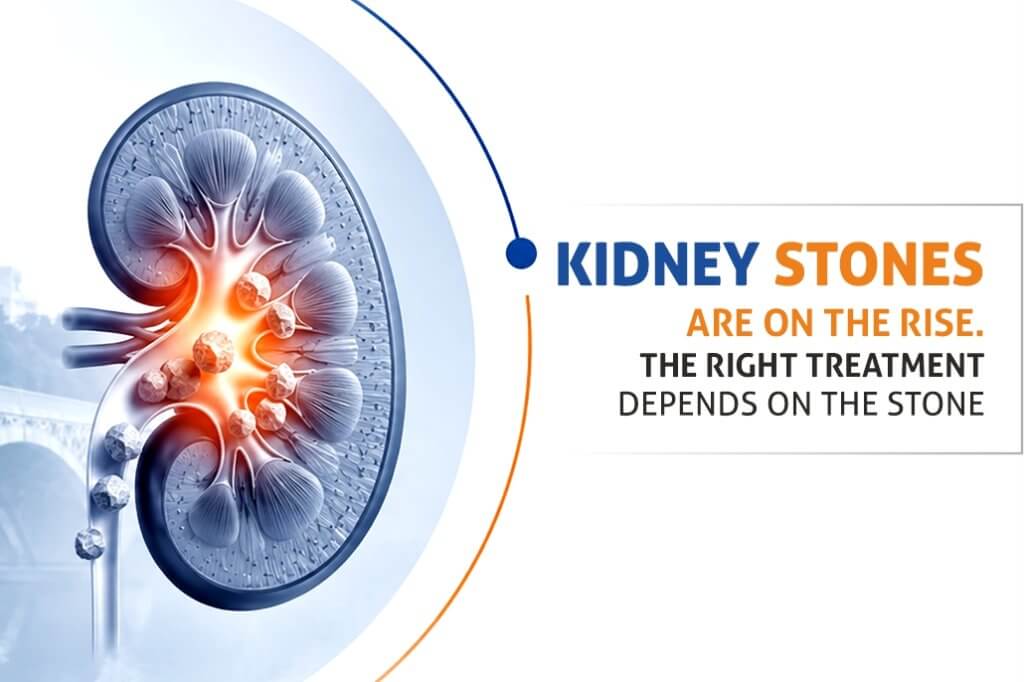
Treatment is not the same for every patient. Small stones that are not causing significant problems may pass naturally with adequate fluids, appropriate pain management and medical observation. When a stone is larger, causes persistent pain, blocks urine flow or cannot pass naturally, a urologist may recommend a procedure.
Shock wave lithotripsy (SWL) uses focused shock waves to break a stone into smaller fragments, which can then pass through the urinary tract.
During ureteroscopy, a thin instrument is passed through the urinary tract to locate the stone. The urologist can remove the stone or break it into smaller pieces, depending on its size and location.
For selected larger or complex kidney stones, percutaneous nephrolithotomy (PCNL) may be considered. It involves accessing the kidney through a small opening in the back to remove the stone, sometimes after breaking it into smaller pieces.
The best treatment depends on your individual condition rather than simply choosing the most advanced procedure.
When searching for the Best Urologist in Ahmedabad, consider more than online ratings or advertisements. Look for a specialist who:
A Best Urology Hospital in Ahmedabad should ideally provide access to experienced urologists, imaging and laboratory services, modern treatment options and coordinated follow-up care.
Removing a stone does not always eliminate the possibility of developing another one. Depending on your history, your doctor may recommend analysing the stone and performing urine or blood tests to understand factors contributing to stone formation. Dietary and fluid adjustments, along with medicines in selected cases, may help prevent recurrence. Regular follow-up with your Urologist in Ahmedabad can therefore be an important part of long-term urinary health.
Seek prompt medical attention if kidney stone symptoms are accompanied by severe or persistent pain, fever, chills, vomiting, difficulty passing urine or blood in the urine. A stone causing urinary blockage together with infection can require urgent treatment.
Conclusion
The right kidney stone treatment depends on the stone, not just the symptoms. A qualified urologist can assess its size and location, identify possible complications and recommend the most appropriate approach, from observation and medicines to minimally invasive stone removal. If you are experiencing persistent kidney stone symptoms, consult a qualified urologist rather than delaying evaluation. Early assessment can help prevent complications and support better long-term urinary health.

.svg)



Urinary problems in men can sometimes begin with symptoms that seem minor, a weaker urine stream, needing to urinate more frequently, getting up several times at night, or experiencing burning while passing urine. However, persistent or worsening urinary symptoms should not be...

Urinary problems can be uncomfortable, embarrassing, or easy to ignore. However, symptoms such as frequent urination, blood in the urine, kidney pain, or difficulty passing urine should not always be treated as minor issues. A urologist is a specialist who diagnoses and...
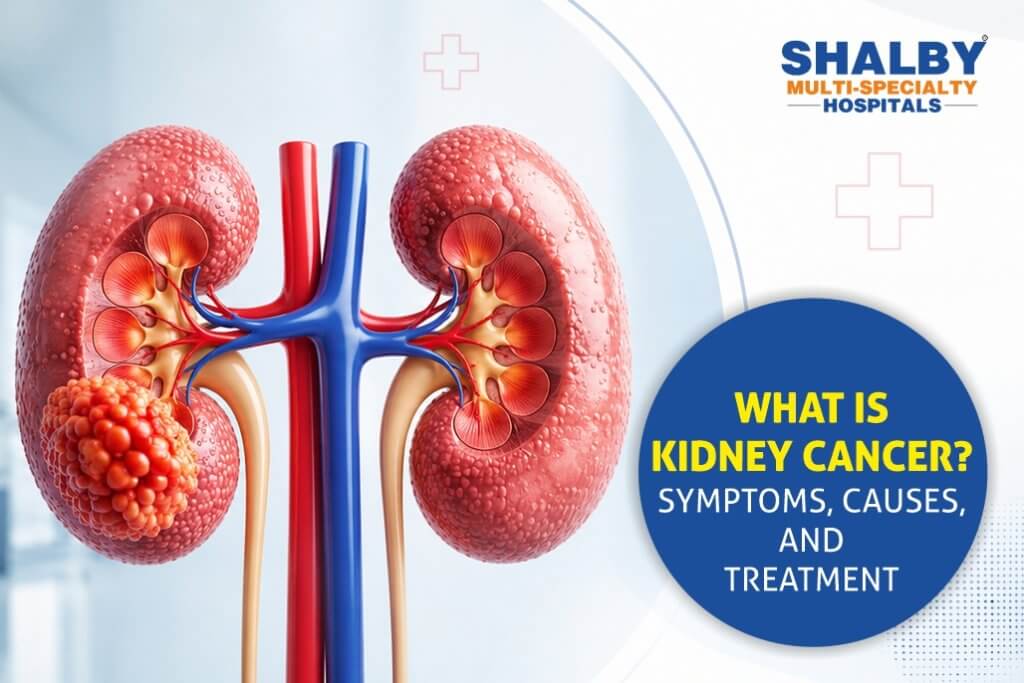
Kidney cancer is a condition that begins when abnormal cells in the kidneys start growing uncontrollably. Although it is not among the most common cancers worldwide, the number of cases has been steadily increasing due to lifestyle changes, aging populations, and improved...