


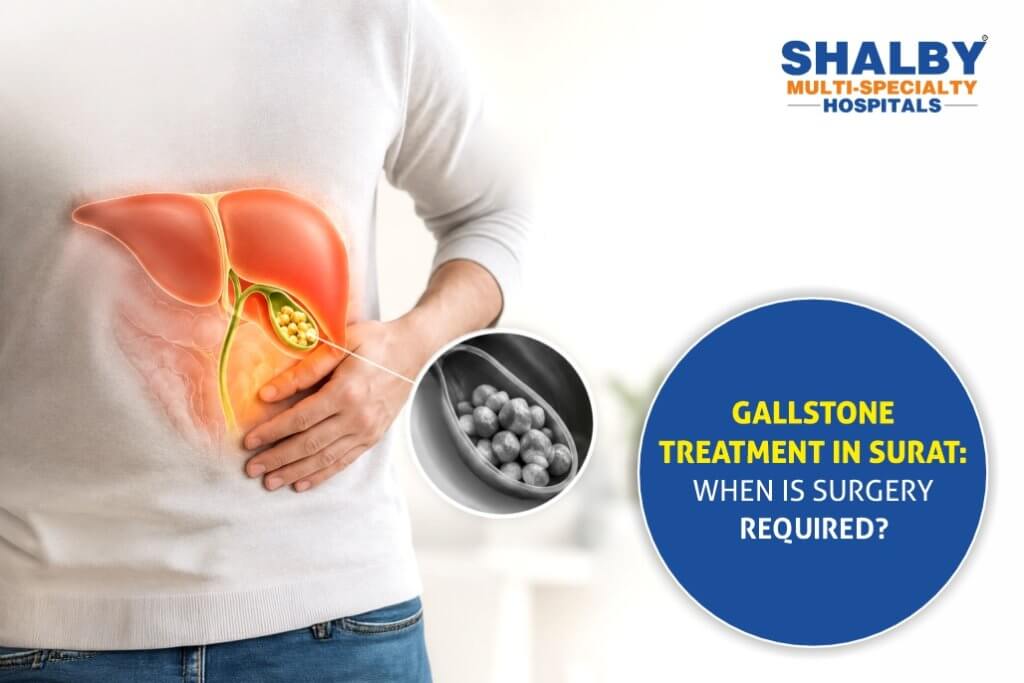
Gallstones are common, and many people have them without knowing it. In some cases, they cause no symptoms and may not need treatment at all. In others, gallstones can lead to repeated pain, inflammation, infection, or blockage that requires medical treatment. If you have been diagnosed with gallstones, one of the first questions you may have is: Do I really need surgery? The answer depends on your symptoms, the size and location of the stones, whether the gallbladder is inflamed, and whether the stones have caused complications.
This guide explains the Best Gallstone Treatment in Surat, when surgery may be recommended, when it may not be necessary, and when you should consult a specialist.
Gallstones are hard, stone-like deposits that develop inside the gallbladder. The gallbladder is a small organ located beneath the liver. It stores bile, a digestive fluid that helps the body digest fats. Gallstones can vary in size. Some are as small as grains of sand, while others can be larger. The two main types are:
Having gallstones does not automatically mean that you need treatment. The important factor is whether they are causing symptoms or complications.
Gallstones can develop when the substances that make up bile become imbalanced or when the gallbladder does not empty properly. Several factors can increase the likelihood of developing gallstones, including:
However, gallstones can occur even when none of these risk factors are present.

Your doctor will usually begin by asking about your symptoms and medical history and performing a physical examination. An ultrasound is commonly used to detect gallstones. It is a non-invasive test that uses sound waves to create images of the gallbladder. Depending on your symptoms, your doctor may also recommend:
The tests recommended will depend on your individual symptoms and examination findings.
For people with symptoms, surgery is often the definitive treatment because it removes the gallbladder where the stones form. Dietary changes may help reduce the likelihood of triggering symptoms, but they do not reliably remove existing gallstones. Some medicines can dissolve certain cholesterol-based gallstones in selected patients, but they are not suitable for everyone and may take a long time to work. Gallstones can also return after treatment. Your gastroenterologist or surgeon can explain whether non-surgical management is appropriate in your situation.
You should consider consulting a Gallstone Surgery Specialist in Surat if you have symptoms like:
These symptoms may indicate a complication that requires prompt treatment.
Choosing the right hospital is an important part of planning treatment for gallstones. Shalby Hospital Surat provides access to specialist consultation, diagnostic evaluation and surgical care, helping patients understand their condition and available treatment options. If surgery is recommended, a qualified Gallstone Surgery Specialist in Surat can assess whether a minimally invasive procedure such as laparoscopic cholecystectomy is appropriate.
Having gallstones does not automatically mean you need surgery. Symptom-free gallstones often do not require immediate treatment, while repeated painful attacks, gallbladder inflammation, bile duct blockage, or gallstone-related pancreatitis may make surgery necessary.
If you have recently been diagnosed with gallstones or are experiencing recurring abdominal pain, consult a qualified specialist for an individual assessment. If you are considering the Best Gallstone Treatment in Surat, Shalby Hospital Surat can provide specialist evaluation to help determine the most appropriate treatment approach for your condition.

.svg)


Persistent stomach pain can affect your appetite, sleep, work and everyday comfort. While occasional abdominal discomfort may result from indigestion or dietary changes, pain that keeps returning or lasts for weeks deserves medical attention. Understanding the possible causes of chronic stomach pain...
A stomach infection can disrupt your daily routine without warning. What may begin as mild stomach discomfort can quickly turn into severe abdominal pain, frequent vomiting, diarrhea, or dehydration. While many stomach infections improve with rest and hydration, some require timely medical...

The gallbladder is a pear-shaped organ in the upper abdomen under the liver that stores and releases bile. Bile is a fluid that is responsible to digest food and break the fats. If the bile gets out of balance or the gallbladder...