


Persistent stomach pain can affect your appetite, sleep, work and everyday comfort. While occasional abdominal discomfort may result from indigestion or dietary changes, pain that keeps returning or lasts for weeks deserves medical attention. Understanding the possible causes of chronic stomach pain can help you recognise when it is time to consult a specialist.
If you are looking for the Best Gastroenterologist in Jaipur, knowing which symptoms require evaluation can help you seek appropriate care rather than repeatedly managing the discomfort on your own.
Chronic stomach pain refers to abdominal discomfort that persists or repeatedly occurs over an extended period. The location, duration, intensity and pattern of the pain can provide important clues about its possible cause.
Stomach pain may occur in the upper abdomen, around the navel or elsewhere in the abdomen. It can also occur with symptoms such as bloating, acidity, nausea, vomiting, changes in bowel movements or loss of appetite.
Because several digestive conditions can cause similar symptoms, persistent pain should be evaluated based on the individual’s symptoms and medical history.
There is no single cause of persistent abdominal pain. Some common possibilities include:
Inflammation of the stomach lining, known as gastritis, can cause upper abdominal discomfort, nausea and a feeling of fullness. Peptic ulcers can also cause abdominal pain and may require medical evaluation and treatment.
GERD occurs when stomach contents repeatedly flow back into the oesophagus. It can cause heartburn, acid reflux and discomfort in the upper abdomen or chest.
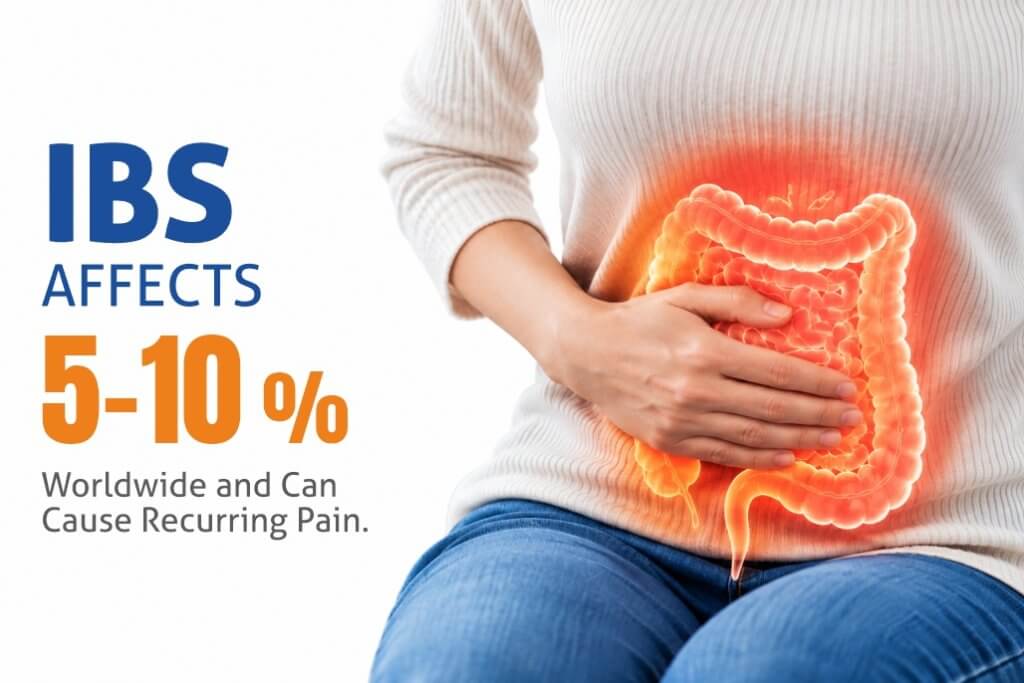
Irritable bowel syndrome (IBS) can cause recurrent abdominal pain along with changes in bowel habits, including constipation, diarrhoea or both. Symptoms can vary considerably between individuals.
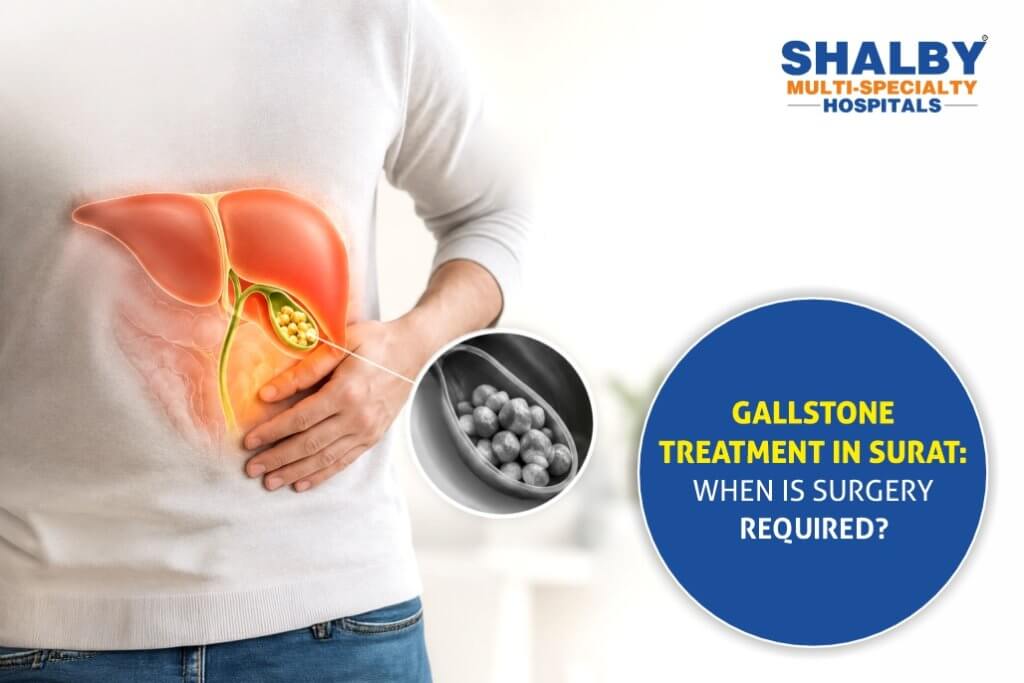
Gallstones can cause abdominal pain, particularly after meals. Pain may be felt in the upper right or upper central abdomen and may sometimes spread to the back or shoulder.
Conditions affecting the pancreas or liver can also produce abdominal symptoms. Persistent or unexplained pain may therefore require appropriate blood tests or imaging based on clinical assessment.
Shalby Hospitals lists abdominal pain, gallbladder and bile duct stones, pancreatitis, hepatitis, fatty liver, GERD, peptic ulcer disease, IBS and constipation among the gastrointestinal conditions managed through its gastroenterology services.
Knowing when to see a gastroenterologist for stomach pain is important. You should consider specialist evaluation when pain is persistent, recurrent, worsening or interfering with your normal activities.
You should seek prompt medical attention if stomach pain occurs with:
These symptoms can have several causes, and their significance depends on the individual’s overall clinical picture.
The first step is usually a detailed discussion about the pain—where it occurs, how long it has been present, what triggers it and whether it is associated with eating or bowel movements. Depending on the symptoms, a gastroenterologist may recommend blood or stool tests, ultrasound, CT or MRI imaging, endoscopy or colonoscopy. Not every patient needs every test.
Endoscopy can help examine the oesophagus, stomach and upper part of the small intestine, while colonoscopy is used to examine the colon and rectum. Shalby Hospitals lists endoscopy, colonoscopy, capsule endoscopy, imaging studies and blood tests among its gastroenterology diagnostic services.
Treatment depends on the underlying cause rather than the pain alone. For example, treatment may involve medicines for acid-related disorders, appropriate management of infections, dietary and lifestyle measures for selected digestive conditions, or specific treatment for gallstones, inflammatory bowel disease or other gastrointestinal disorders.
Avoid taking painkillers or acid-suppressing medicines repeatedly without medical advice, particularly when symptoms are persistent. Self-treatment may reduce discomfort temporarily while delaying diagnosis of the underlying problem.
If you are searching for stomach pain treatment in Jaipur, choosing a hospital with access to specialist consultation, diagnostic services and multidisciplinary care can be important. Shalby Hospital Jaipur is a 237-bed multispecialty hospital located in Chitrakoot, Sector 3, Jaipur. Its listed specialties include Gastro Sciences, and the hospital provides medical and surgical gastroenterology and endoscopy services.
Shalby’s gastroenterology department provides care for a broad range of digestive conditions, including abdominal pain, GERD, peptic ulcer disease, gallstones, liver disorders, pancreatitis, IBS, diarrhoea and constipation.
For patients seeking a gastroenterologist in Jaipur for stomach pain, specialist assessment can help determine whether the symptoms are related to a common digestive disorder or require further investigation.
Persistent stomach pain should not become something you simply learn to live with. Identifying the underlying cause is the first step toward appropriate treatment and better digestive health.
If you are searching for the Best Gastroenterologist in Jaipur, gastroenterologist in Jaipur for stomach pain, or stomach pain treatment in Jaipur, Shalby Hospital Jaipur provides specialist gastroenterology care within a multispecialty hospital setting. With gastroenterology, endoscopy, diagnostic support and other medical specialties available, Shalby Hospital Jaipur is a best hospital for comprehensive digestive healthcare in Jaipur.

.svg)


Gallstones are common, and many people have them without knowing it. In some cases, they cause no symptoms and may not need treatment at all. In others, gallstones can lead to repeated pain, inflammation, infection, or blockage that requires medical treatment. If...
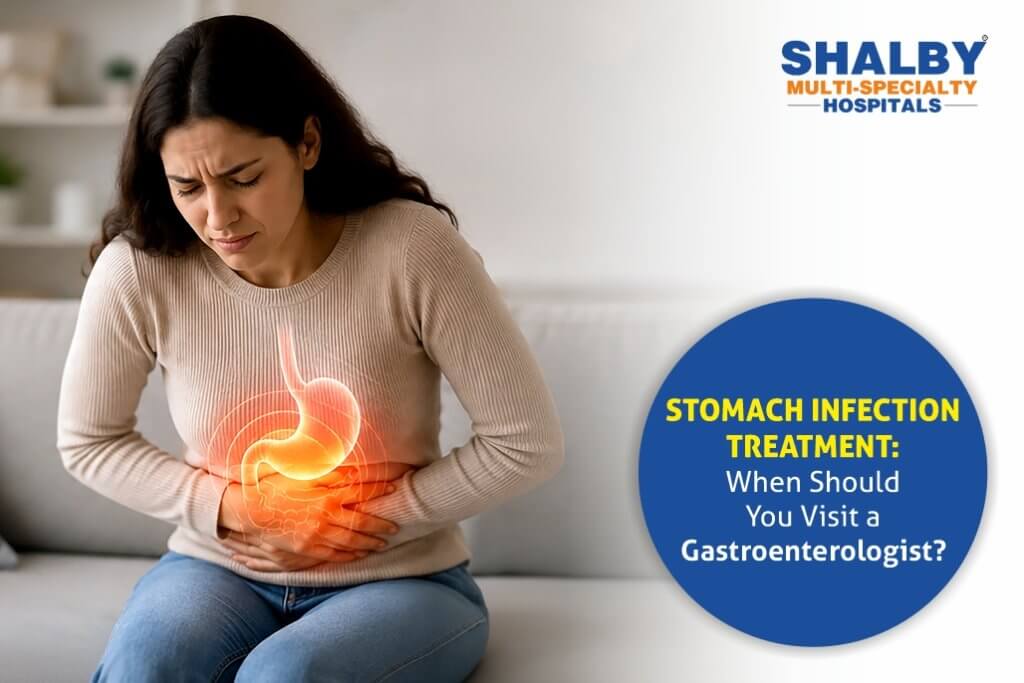
A stomach infection can disrupt your daily routine without warning. What may begin as mild stomach discomfort can quickly turn into severe abdominal pain, frequent vomiting, diarrhea, or dehydration. While many stomach infections improve with rest and hydration, some require timely medical...

The gallbladder is a pear-shaped organ in the upper abdomen under the liver that stores and releases bile. Bile is a fluid that is responsible to digest food and break the fats. If the bile gets out of balance or the gallbladder...