

Knee pain can begin as a mild discomfort while climbing stairs, standing up, or walking longer distances. When it starts affecting everyday activities, it may indicate more than temporary strain. Understanding when to see an orthopedic surgeon for knee pain can help you identify the underlying problem and seek appropriate treatment before it limits your mobility further.
Not every episode of knee pain requires surgery or specialist intervention. However, persistent pain, swelling, instability, or difficulty bearing weight deserves medical attention. Identifying the cause early can help protect the knee joint and preserve your ability to move comfortably.
Occasional knee discomfort may improve with rest, but persistent, recurring, or worsening symptoms deserve medical attention. Consider consulting an orthopedic specialist for knee pain if you experience any of the following signs.
If knee pain continues for several days, repeatedly returns, or gradually worsens, it may indicate an underlying condition that needs evaluation. Osteoarthritis, tendon problems, cartilage damage, and overuse injuries can cause persistent discomfort.
A specialist can assess the affected structures and identify whether the problem requires further investigation or treatment.
Pain while walking, climbing stairs, squatting, or standing up from a chair can indicate problems involving the knee joint, muscles, or surrounding tissues. If these activities become increasingly difficult, an orthopedic doctor for knee pain can help determine the cause. Early assessment is particularly useful when discomfort begins limiting your mobility or independence.
Swelling may develop after an injury or because of inflammation within the joint. Persistent stiffness, especially after periods of rest, may occur with osteoarthritis or other joint conditions.
Sudden, substantial swelling after an injury should be assessed promptly. A hot, red, swollen knee accompanied by fever also requires urgent medical evaluation because an infection may be responsible.
A sudden twist, fall, or sports injury can damage ligaments, cartilage, or other structures inside the knee. Warning signs include instability, difficulty bearing weight, restricted movement, and swelling.
An orthopedic surgeon for knee injuries can assess whether imaging or specialist treatment is needed. Do not force movement or continue sports when a significant injury is suspected.
A knee that catches, locks, or unexpectedly gives way may indicate a mechanical or structural problem. These symptoms can occur with meniscus injuries, ligament damage, or other knee conditions.
A clinical examination helps determine the cause and whether conservative treatment or a procedure may be appropriate.
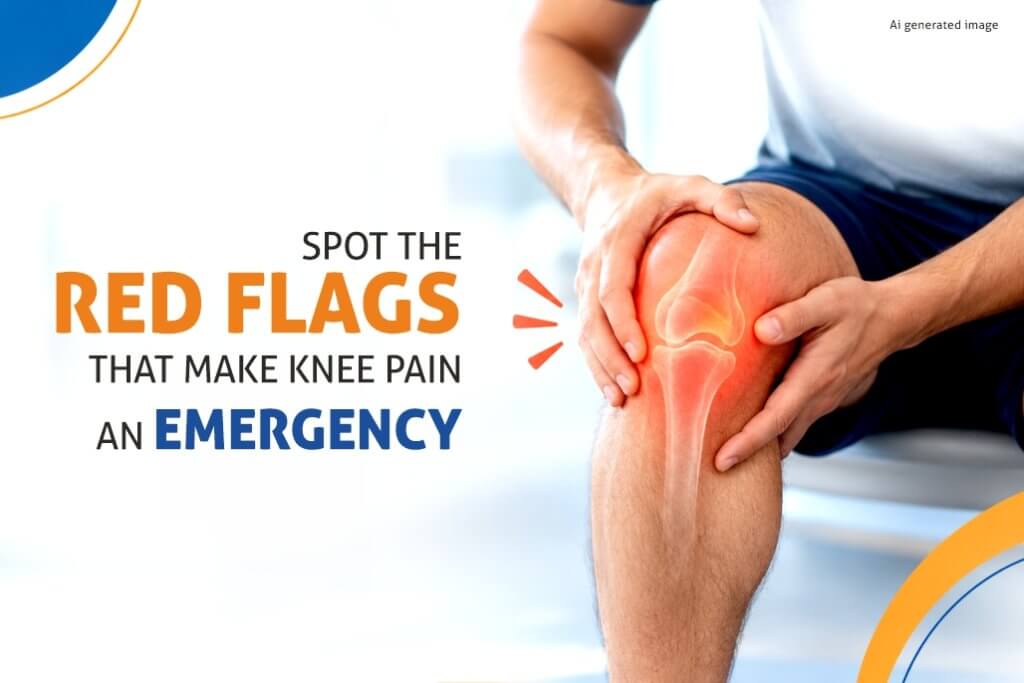
Seek urgent medical care if you experience:
These symptoms can indicate conditions that require prompt treatment. Do not wait for a routine appointment if a serious injury or infection is suspected.
Understanding the underlying cause is essential because similar symptoms can require different treatments. Common causes include:
A knee pain specialist considers your symptoms, medical history, physical examination, and imaging findings when necessary before recommending treatment.
Persistent knee pain can affect more than physical comfort. It may limit work, exercise, sleep, and the ability to carry out everyday activities independently. Seeking timely medical advice can help identify the cause and clarify which treatment options are appropriate.
Shalby Hospital provides orthopaedic care for patients with joint pain, injuries, and mobility concerns. With specialist assessment and an individualised treatment approach, patients can explore suitable options based on their diagnosis and needs. If knee pain is affecting your daily life, consult an orthopaedic specialist at Shalby Hospital to understand the cause of your symptoms and discuss an appropriate treatment plan.

.svg)


Knee pain has a way of changing everyday life. Something as simple as climbing stairs, taking a morning walk, or playing with your grandchildren can become painful and exhausting. Over the years, while creating healthcare content and interacting with orthopedic specialists and...

Our bones, joints, muscles, and ligaments play a vital role in helping us move freely and enjoy an active lifestyle. However, factors such as aging, injuries, sports-related accidents, arthritis, and lifestyle habits can affect musculoskeletal health and lead to pain, stiffness, and...

When joint pain begins to affect everyday life—walking, climbing stairs, or even resting comfortably—it can feel physically exhausting and emotionally overwhelming. For many patients, robotic joint replacement has emerged as a reassuring solution, offering precision, safety, and faster recovery. One of the...