

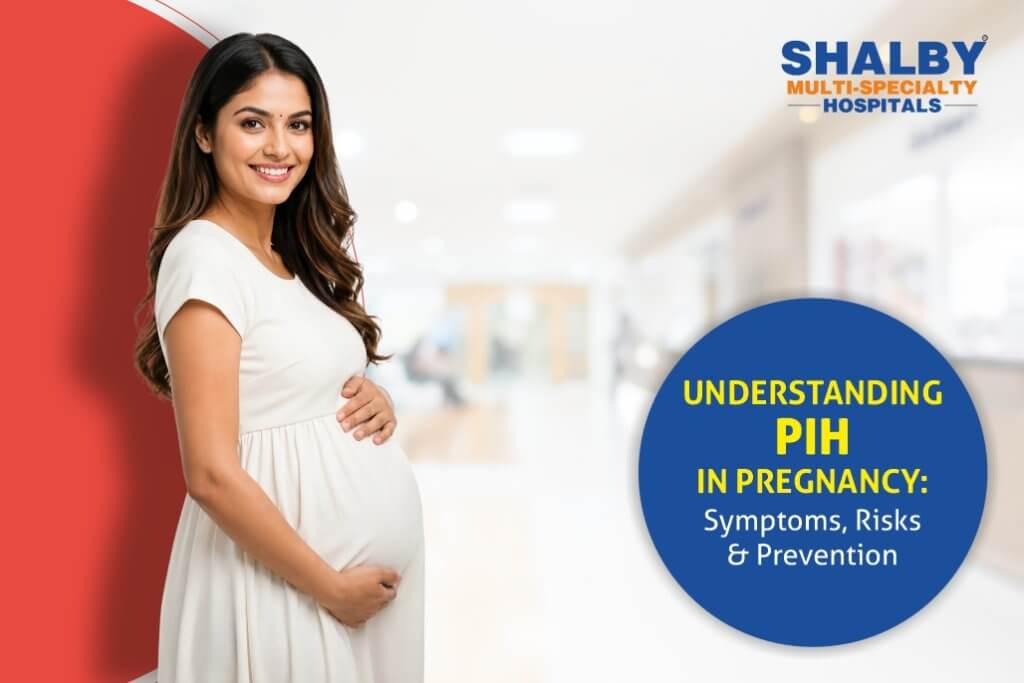
Pregnancy is a beautiful journey, but it also brings many physical and emotional changes to a woman’s body. While most pregnancies progress normally, some health conditions can develop during this period and need immediate attention. One such condition is Pregnancy-Induced Hypertension (PIH), also known as high blood pressure during pregnancy. Many women ignore the early symptoms because they believe swelling, headaches, or tiredness are a normal part of pregnancy. However, in some cases, these signs may indicate something more serious. Understanding PIH early can help protect both the mother and the baby from possible complications. This article explains the symptoms, risks, causes, and prevention of Pregnancy-Induced Hypertension.
Pregnancy-Induced Hypertension is a condition in which a pregnant woman develops high blood pressure after the 20th week of pregnancy. It usually occurs in women who had normal blood pressure before pregnancy. Blood pressure becomes a concern when it rises above normal levels and starts affecting important organs such as the kidneys, liver, brain, and placenta. If not treated on time, PIH can lead to serious complications for both mother and baby. In some cases, PIH may develop into a more severe condition called preeclampsia, which requires urgent medical care.
Women with these risk factors should attend regular prenatal checkups to monitor blood pressure and overall pregnancy health.
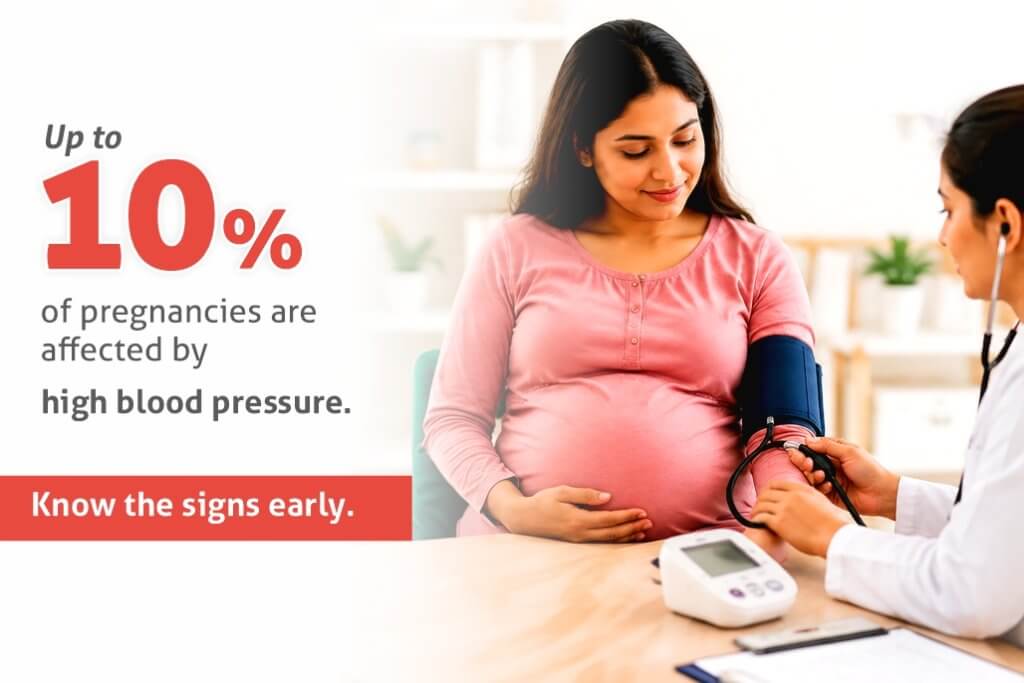
Recognizing the early signs of pregnancy-induced hypertension is very important because early diagnosis can reduce the risk of complications. Some common symptoms include:
PIH should never be ignored because it can affect both maternal and fetal health.
Risks for the Mother
If blood pressure remains uncontrolled, the mother may face complications such as:
In difficult situations, untreated PIH can become life-threatening.
Risks for the Baby
High blood pressure can reduce blood flow to the placenta, which affects the baby’s oxygen and nutrition supply.
This may lead to:
This is why regular monitoring during pregnancy is extremely important
Diagnosis of PIH is relatively straightforward and typically begins during routine prenatal visits. Doctors may perform:
Regular prenatal appointments allow healthcare providers to identify changes early and take appropriate action.
Although PIH cannot always be prevented, certain healthy lifestyle practices may help reduce the risk and support overall maternal health.
Routine antenatal visits allow healthcare providers to detect changes in blood pressure before complications develop.
A nutritious diet rich in fruits, vegetables, whole grains, and lean proteins supports healthy pregnancy outcomes. Limiting excessive processed foods and maintaining adequate hydration can also be beneficial.
Light to moderate exercise, as recommended by your doctor, can help improve circulation and overall cardiovascular health.
Healthy weight management during pregnancy may help lower the risk of several complications, including hypertension.
Stress does not directly cause PIH, but managing emotional well-being through relaxation techniques, adequate sleep, and family support can contribute to a healthier pregnancy.
Women with existing medical conditions or previous pregnancy complications should follow their doctor’s recommendations closely and attend all scheduled appointments.
Any pregnant woman experiencing symptoms such as severe headaches, swelling, vision changes, or elevated blood pressure readings should consult a healthcare professional immediately. Women with previous pregnancy complications, chronic health conditions, or high-risk pregnancies may benefit from specialised care and more frequent monitoring. Seeking timely guidance from an experienced pregnancy specialist in Ahmedabad can significantly improve outcomes for both mother and baby.
Managing Pregnancy-Induced Hypertension requires timely diagnosis and expert care. The Shalby Gynaecology Department provides comprehensive pregnancy care, from routine check-ups to the management of high-risk pregnancies. Women looking for a trusted pregnancy specialist in Ahmedabad can benefit from experienced doctors, advanced medical facilities, and personalised care. As the best gynaecology hospital in Ahmedabad, Shalby Hospitals is dedicated to ensuring the health and safety of both mother and baby throughout the pregnancy journey.
Pregnancy-Induced Hypertension can pose serious risks if left untreated, but early detection and proper management can help ensure a healthy pregnancy. Recognising the early signs of pregnancy-induced hypertension, attending regular prenatal check-ups, and following medical advice are essential for protecting both mother and baby. With the right care and monitoring, most women with PIH can have a safe pregnancy and a healthy delivery.

.svg)


Irregular periods, unwanted facial hair, persistent acne, unexplained weight changes, or difficulty getting pregnant can sometimes be more than everyday health concerns. For many women, these symptoms may be linked to Polycystic Ovary Syndrome, commonly known as PCOS. PCOS can affect women...
Many women put off going to the gynecologist for a long time, sometimes because they are busy, sometimes out of hesitation, and often because there are no obvious symptoms. But here's the fact that doctors say every day without making a big...

When you hear the word “pregnancy,” a wave of emotions floods in—joy, nervousness, excitement, and yes, a bit of fear too. Whether it’s your first pregnancy or your third, one thing doesn’t change: the importance of having the right gynecologist by your...