


Food poisoning is one of the most common health problems, especially in a country like India, where food habits, climate, and hygiene conditions vary widely. Most cases are mild and recover within a few days, but some can become serious if not handled properly. The real question many people face is: Should I treat this at home, or do I need to go to the hospital? Understanding the difference can help you avoid complications and recover safely.
Food poisoning occurs when you consume food or water contaminated with bacteria, viruses, or toxins. Common causes include:
In cities like Ahmedabad, especially during summer and monsoon, the risk tends to increase due to heat and humidity.
Most people experience a combination of the following:
In mild cases, these symptoms settle with rest and hydration. However, not all cases are mild, and this is where awareness becomes important. Understanding food poisoning symptoms and treatment early can prevent complications.
If your symptoms are mild and manageable, home care is often sufficient. This includes situations where:
- Vomiting and diarrhea are not frequent
- There is no high fever
- You are able to drink fluids
- There are no signs of dehydration
The primary focus at home should be hydration and rest. Drink plenty of fluids such as water, oral rehydration solutions (ORS), coconut water, or clear soups. Avoid heavy, oily, or spicy foods. Stick to simple meals like khichdi, toast, or bananas. Your body is trying to recover, so give it time. Most mild cases improve within 24-48 hours.
While many cases are mild, some require immediate medical attention for food poisoning. You should visit a hospital if you notice:
These signs indicate that the body is struggling and may need medical support. Delaying treatment in such cases can lead to complications like severe dehydration, electrolyte imbalance, or infection spreading in the body.
In moderate to severe cases, treatment goes beyond home remedies. At a 24/7 Emergency Hospital in Ahmedabad, doctors can quickly assess your condition and begin treatment immediately. This may include:
The goal is to stabilize your condition quickly and prevent further complications. Many patients who delay hospital visits end up requiring longer recovery times. Early intervention makes a significant difference.
Certain individuals are more vulnerable to complications from food poisoning:
For these groups, even mild symptoms should be taken seriously. It is always safer to consult a doctor early rather than waiting.
When symptoms become severe, choosing the right healthcare facility can make all the difference. A hospital with experienced doctors, emergency care, and proper diagnostic support ensures faster and safer recovery. This is where expert doctors at Shalby Hospitals play a crucial role. With years of clinical experience, they understand how to quickly assess and manage food poisoning cases effectively.
If you are looking for the best hospital for food poisoning treatment, Shalby Hospitals stands out for several reasons. With advanced infrastructure, round-the-clock emergency services, and a patient-first approach, Shalby ensures timely and accurate care. As a leading 24/7 Emergency Hospital in Ahmedabad, Shalby is equipped to handle both mild and severe cases efficiently. Patients benefit from:
Immediate medical attention
Whether it is a simple case or a severe condition, Shalby provides the confidence that you are in safe hands.
Final Takeaway
Food poisoning may seem common, but it should never be taken lightly. Knowing when to manage it at home and when to seek hospital care can protect you and your family from serious complications. If symptoms are mild, hydration and rest may be enough. But if warning signs appear, don’t delay. Seeking immediate medical attention for food poisoning can make all the difference. And when you need reliable care, choosing Shalby Hospital, recognized as the best hospital for emergency care, ensures you are treated by experienced hands you can trust.

.svg)


When someone we love suddenly falls ill, the biggest fear is not knowing how serious it is. Should we wait? Should we rush to the hospital? Or is it already critical? An Intensive Care Unit (ICU) is not just another hospital ward;...
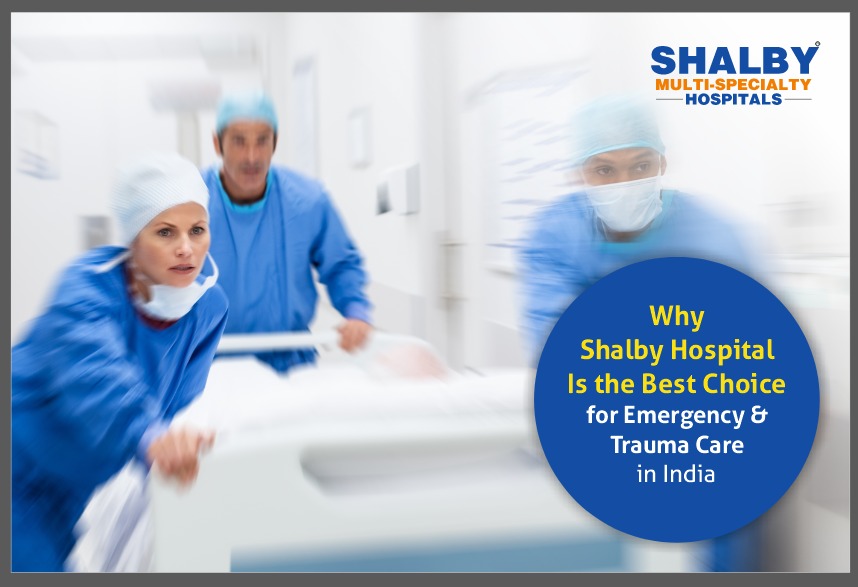
Emergency & Trauma Care at Shalby Hospitals When an emergency happens, seconds feel like hours. In that moment of crisis, your world narrows to one urgent need: getting the best possible care for yourself or your loved one. It’s a moment filled...

Uttarayan is one of the most joyful festivals in India. The sky fills with colorful kites, rooftops echo with laughter, and families come together to celebrate hope, positivity, and new beginnings. However, along with happiness, Uttarayan also brings a rise in injuries...