

Diwali is a time for family gatherings, festive food, diyas and firecrackers. But a moment of carelessness around a burning diya, a sparkler or a firecracker can quickly turn a celebration into a medical emergency. A small spark can burn a child’s finger, while a firecracker that explodes too close to the face can cause serious injuries to the skin and eyes.
Knowing what to do in those first few minutes matters. The right first aid can limit tissue damage, reduce the risk of infection and make further treatment easier. Just as importantly, knowing when a burn needs medical attention can prevent a seemingly minor injury from becoming a bigger problem.
Here’s what you should do if someone suffers a burn during Diwali and when it’s time to visit an emergency department.
Burn injuries during Diwali can happen both indoors and outdoors. Some common causes include:
● Firecrackers and sparklers: Burning particles can land on the skin or clothing, causing painful burns, particularly on the hands, face and arms.
● Diyas and candles: Direct contact with a flame or hot wax can cause burns. Loose clothing and decorative fabrics can also catch fire.
● Hot oil and cooking accidents: Preparing festive snacks and sweets involves hot oil, ghee and boiling liquids, which can cause scald injuries.
● Electrical decorations: Damaged wires, overloaded sockets and faulty lighting can cause electrical burns.
● Kitchen fires: A gas leak, unattended stove or accidental spill of flammable material can lead to serious burns.
Children are particularly vulnerable because they may not recognise the danger of firecrackers, candles or hot surfaces. Keeping them away from fireworks and supervising them around open flames is essential.
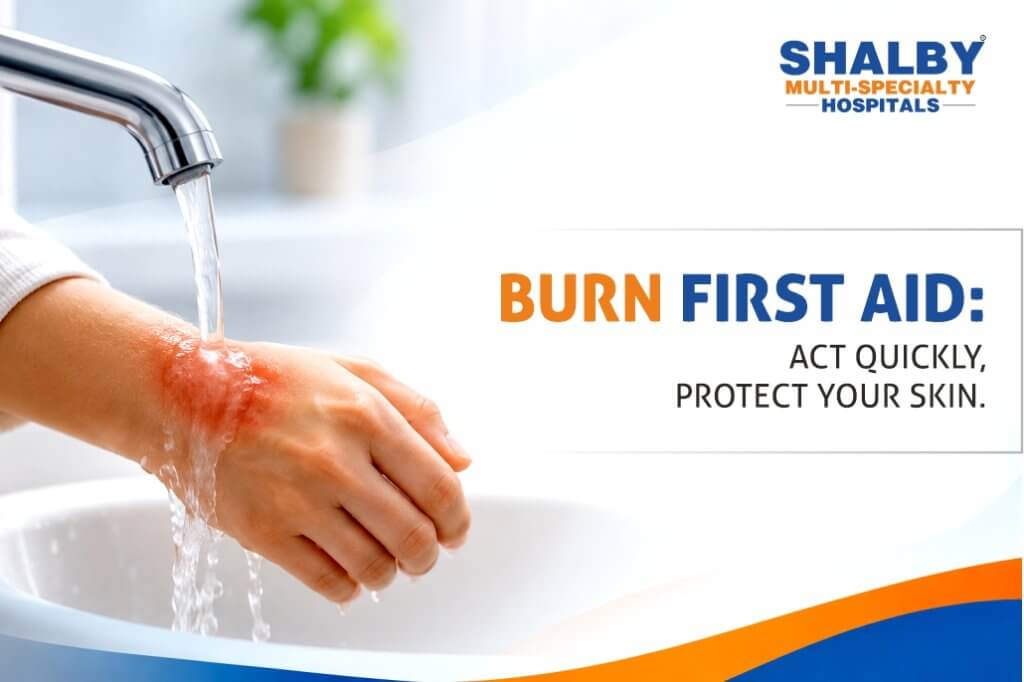
The first few minutes after a burn matter. The right first aid can limit further skin damage, while common home remedies can make the injury worse.
Move the injured person away from the firecracker, flame, hot liquid or electrical source. If clothing catches fire, remember: stop, drop and roll. Never allow the person to run, as this can make the flames spread.
For an electrical burn, switch off the power supply before touching the injured person. Do not approach someone who is still in contact with a live electrical source.
Carefully remove rings, watches, bracelets and tight clothing near the burn before swelling begins. However, don’t pull away clothing that has stuck to the skin. Leave it in place and seek medical help.
Once the area has cooled, cover it loosely with a sterile, non-fluffy dressing or clean cling film. Avoid wrapping it tightly around the injured area.
Toothpaste, ghee, butter, oil, turmeric and creams not prescribed for the injury shouldn’t be applied to a fresh burn. They don’t cool the skin and can contaminate the wound or interfere with medical assessment. Also, don’t burst blisters. They help protect the damaged skin underneath and reduce the risk of infection.
Firecracker sparks or flying fragments can injure the eye and, in severe cases, affect vision. Watch for symptoms such as redness, watering, pain, swelling, blurred vision or sensitivity to light. If a firecracker injures your eye, take these precautions:
Eye injuries should never be taken lightly. Even if the damage isn’t immediately visible, prompt medical evaluation can help prevent serious complications.
Not every minor burn requires hospital admission, but certain injuries need immediate medical attention. Rush to the nearest hospital if you notice any of the following signs:
A little care can prevent many Diwali-related accidents.
Firecracker injuries may require more than basic first aid. Depending on their severity, patients may need burn management, wound care, pain relief or specialised treatment for eye injuries. At Shalby Hospital, patients have access to 24×7 Emergency Care, with prompt medical assessment and treatment for burns, firecracker injuries and other medical emergencies. The emergency team evaluates each injury and guides patients towards the appropriate treatment.
For serious burns or eye injuries, don’t delay medical attention. Timely treatment can help prevent complications and support better recovery.

.svg)


Food poisoning is one of the most common health problems, especially in a country like India, where food habits, climate, and hygiene conditions vary widely. Most cases are mild and recover within a few days, but some can become serious if not...
When someone we love suddenly falls ill, the biggest fear is not knowing how serious it is. Should we wait? Should we rush to the hospital? Or is it already critical? An Intensive Care Unit (ICU) is not just another hospital ward;...
Emergency & Trauma Care at Shalby Hospitals When an emergency happens, seconds feel like hours. In that moment of crisis, your world narrows to one urgent need: getting the best possible care for yourself or your loved one. It’s a moment filled...