



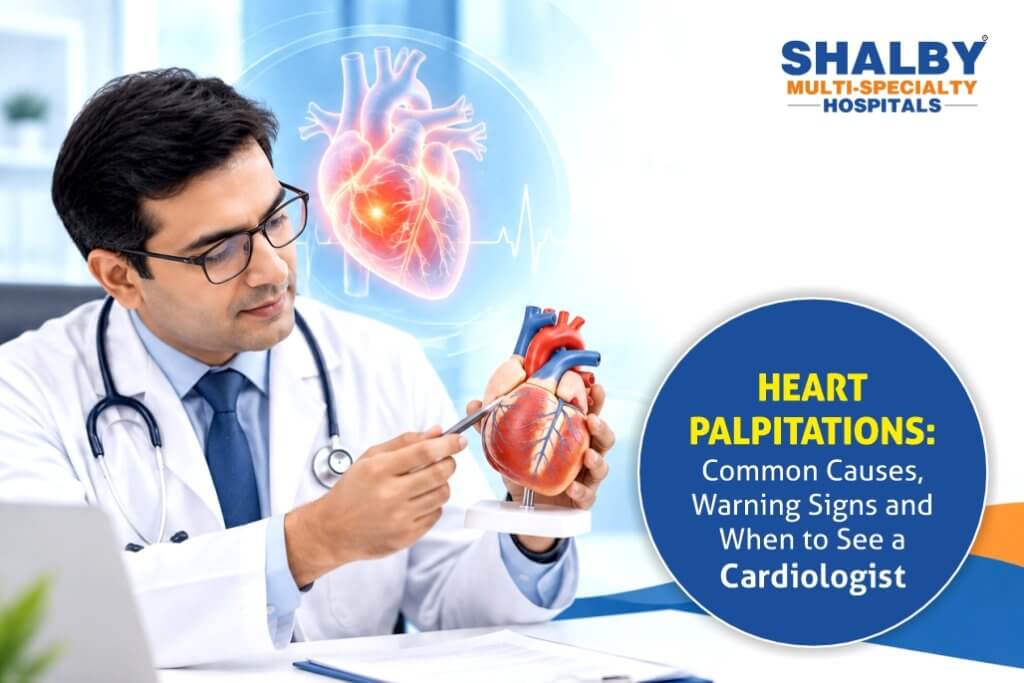
Have you ever felt your heart racing, pounding, or skipping a beat even when you are sitting still? This sensation, known as heart palpitations, can be unsettling. While occasional palpitations are often harmless, frequent episodes or those accompanied by other symptoms may indicate an underlying heart condition that requires medical attention.
Understanding the causes of heart palpitations and knowing when to consult a cardiologist can help you make informed decisions about your heart health.
Heart palpitations are sensations that make you unusually aware of your heartbeat. Your heart might feel as though it is beating too fast, fluttering, pounding, or missing a beat. These sensations occur during rest, physical activity, emotional stress, or even at bedtime. Some episodes last only a few seconds, while others continue for several minutes. Although palpitations do not always indicate a heart problem, recurring episodes require evaluation to identify their underlying cause.
Several factors affect your heart rate and rhythm. Common causes of heart palpitation include:
1. Stress and anxiety: Emotional stress triggers the release of hormones that increase heart rate and produce a pounding sensation.
2. Excessive caffeine: Coffee, energy drinks, and other caffeinated beverages trigger palpitations in some individuals, particularly when consumed in large quantities.
3. Lack of sleep: Inadequate sleep affects the body’s normal regulation of heart rate and increases sensitivity to stress.
4. Dehydration: Fluid loss disrupts the body’s electrolyte balance and contributes to a rapid heartbeat.
5. Hormonal changes: Pregnancy, thyroid disorders, and menopause sometimes cause changes in heart rate or heartbeat awareness.
6. Medications: Certain cold medicines, inhalers, stimulants, and other drugs produce palpitations as a side effect.
7. Heart rhythm disorders: Conditions such as atrial fibrillation and supraventricular tachycardia cause abnormal heart rhythms that require medical assessment.
Identifying the trigger helps guide appropriate treatment. However, the sensation alone does not establish the cause.
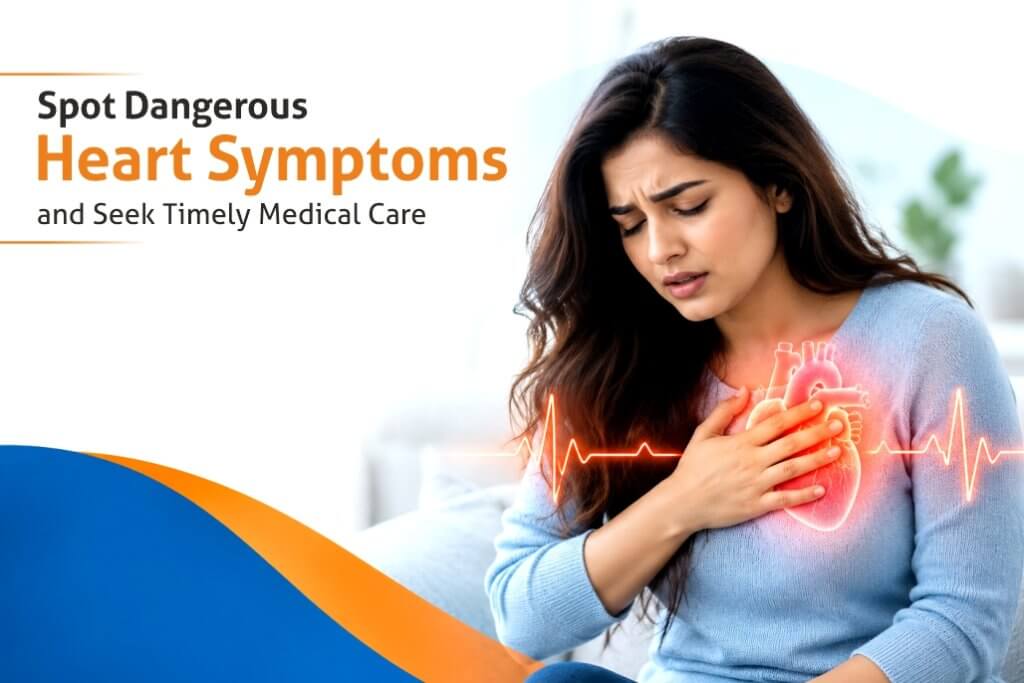
Pay attention to how often palpitations occur, how long they last, and whether other symptoms accompany them. Seek medical evaluation if you experience:
Seek emergency medical care immediately if palpitations occur with chest pain or pressure, severe shortness of breath, fainting, or near-fainting. Do not delay treatment while waiting for symptoms to settle.
Consult a cardiologist if your palpitations recur, last longer than usual, occur without an obvious trigger, or interfere with daily activities. Medical evaluation is particularly important if you have high blood pressure, diabetes, an existing heart condition, or a history of abnormal heart rhythms. A cardiologist reviews your symptoms, medical history, medications, and lifestyle habits before recommending appropriate tests.
Depending on your symptoms, investigations include an electrocardiogram (ECG), Holter monitoring, an echocardiogram, or blood tests to assess thyroid function, anaemia, and electrolyte levels. Treatment depends on the diagnosis. Lifestyle adjustments, medication, or specialised procedures address different causes of palpitations.
Simple lifestyle changes support a healthy heart and help reduce common triggers:
Keep a record of when palpitations occur, how long they last, and any associated symptoms. This information helps your cardiologist identify potential triggers and plan further evaluation.
Choosing the right cardiac care provider is important when palpitations persist or raise concerns about your heart health. A timely consultation helps identify underlying conditions and guides appropriate treatment. Shalby Hospital Ahmedabad offers access to specialised cardiac evaluation and treatment through its cardiology services. Patients receive clinical assessment and diagnostic guidance based on their symptoms and medical history.
If you are looking for a cardiologist in Ahmedabad or a cardiac hospital in Ahmedabad, consult a qualified specialist for personalised advice. The cardiology team at Shalby Hospital focuses on identifying the cause of heart-related symptoms and guiding patients towards appropriate care. Do not ignore recurring palpitations or warning signs. Schedule a cardiology consultation at Shalby Hospital Ahmedabad to take an informed step towards better heart health.

.svg)



Chest pain can be alarming, especially when it appears suddenly or without an obvious reason. Sometimes it is caused by acidity, muscle strain or stress. At other times, it can signal a serious heart condition that needs immediate medical attention. Knowing the...
Heart-related symptoms can be worrying, whether it is chest discomfort, shortness of breath, irregular heartbeat, or high blood pressure. Choosing the Best Cardiologist in Jaipur is an important first step toward understanding your heart health and getting the right treatment. However, many...
Heart disease remains one of the leading causes of illness and death worldwide. The good news is that timely diagnosis, expert medical care, and the right treatment can significantly improve outcomes. However, choosing the right hospital and specialist can feel overwhelming, especially...


